Fowler
Associates Investigates
Surge
Protectors & Power Strips Blamed for Causing House Fires
Surge
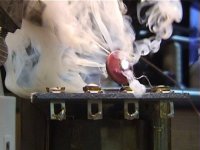
Fire demo 1
Surge
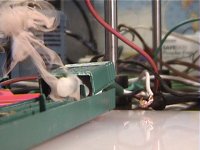
Fire Demo 2
Surge
Fire demo 3
right hand click on video and save to
view
Trace Adkins Home
On June 14, 2011 Country
Music Singer, Trace Adkins, home caught fire in Brentwood,
Tenn. The investigation has concluded that the fire was
caused by an overhe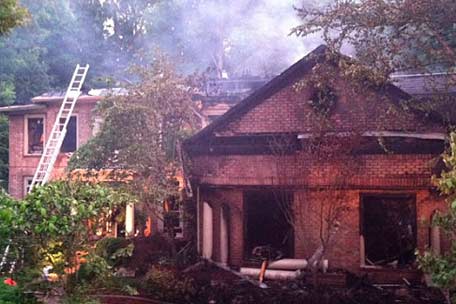 ated
or loose electrical connection in a power strip located
in the singer's garage. His home is one of many that have
fallen victim to fires caused by surge protectors and
power strips.
ated
or loose electrical connection in a power strip located
in the singer's garage. His home is one of many that have
fallen victim to fires caused by surge protectors and
power strips.
Photo Credit: www.traceadkins.com
More
House Fire Reports
June 14, 2011 Home
fire on Orlando Ave., Stamford, CT
Article
|
May 5, 2011 Ashland
Mill fire, Ashland, Mass.
Article
|
March 11, 2011 Woman
killed in house fire on Arlington St, Hartford, CT
Article
|
Feb. 23, 2011 House
Fire on Norton St, Boston, Mass.
Article
|
Feb. 4, 2011 House
fire at State Ave, Monson, Mass.
Article
|
Nov. 18, 2010 House
fire on S.W. Eighth Ave, Amarillo, TX.
Article
|
|
|
|
Surge
Protector Fires
"Surge
protectors are sacrificial, they need to be replaced after they have
protected against a large surge"
 How
does one know if their surge protector is no longer functioning?
How
does one know if their surge protector is no longer functioning?
Are
malfunctioning Surge protectors a hazard?
 The
answers are frightening. Surge protectors
typically have a device in them called an MOV ( Metal Oxide Varistor).
These devices once "surged" will fail at lower and lower voltages.
Since they shunt the current around the devices you wish to protect,
eventually they are shunting too much current and become overheated.
The
answers are frightening. Surge protectors
typically have a device in them called an MOV ( Metal Oxide Varistor).
These devices once "surged" will fail at lower and lower voltages.
Since they shunt the current around the devices you wish to protect,
eventually they are shunting too much current and become overheated.
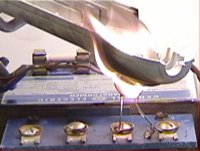
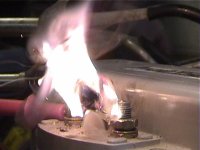 Old
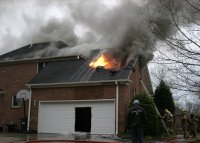
surge protectors had no way of letting you know if they had been sacrificed.
And, yes, they are a hazard. Many fires are started by old surge protectors
which have been damaged by a surge. In certain conditions like a "floating
neutral", they can become over heated and catch fire. Since they
are usually under something or behind something, they have a good source
of fuel to continue to burn and possibly end in tragedy.
Old
surge protectors had no way of letting you know if they had been sacrificed.
And, yes, they are a hazard. Many fires are started by old surge protectors
which have been damaged by a surge. In certain conditions like a "floating
neutral", they can become over heated and catch fire. Since they
are usually under something or behind something, they have a good source
of fuel to continue to burn and possibly end in tragedy.
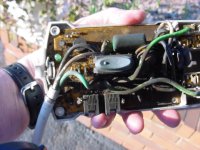
Fowler
Associates continues to investigate fires which may be caused by surge
protectors. We are trying to get the word out to let people know to
change out their old protectors and get new ones with more fire protection.
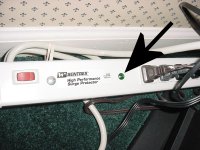 Newer
surge protectors have lights that tell you if the protector is still
"protected." They also have thermal cutouts placed tightly
against the MOV's to turn them off if they become overheated and thereby
prevent them from igniting.
Newer
surge protectors have lights that tell you if the protector is still
"protected." They also have thermal cutouts placed tightly
against the MOV's to turn them off if they become overheated and thereby
prevent them from igniting.
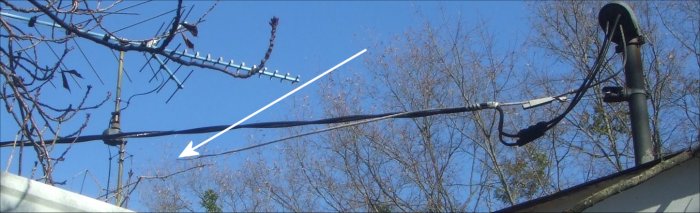
The
problem with surge protectors many times starts with a bad neutral.
The following circuit shows the problems with bad , floating or broken
neutrals. After disasters like Katrina or an ice storm, the neutral
wire at a facility may be broken.
W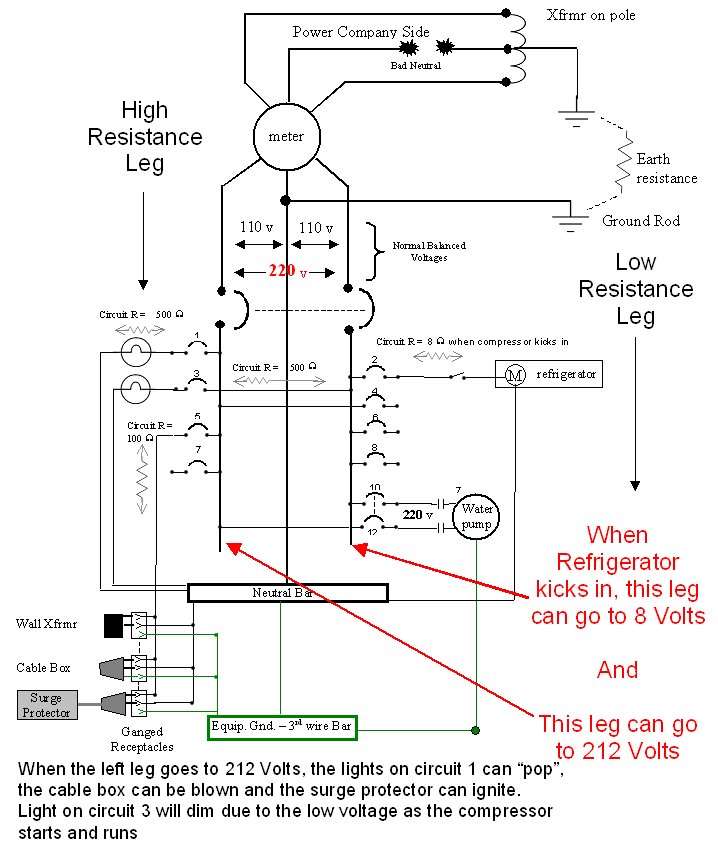 od
od
Wise:
Get new Surge Protectors!
Some related Web Articles:
http://www.recall-warnings.com/cpsc-content-98-98168.html
http://www.rbs2.com/fire.htm
